

When the World Feels Heavy: Protecting Your Mental Health in Times of Global Uncertainty
Every day, people across the nation wake up to headlines about war, humanitarian crises, disasters, and political division. Continuous exposure to these events can quietly weigh on emotional well-being. Many individuals report increasing stress, persistent anxiety, feelings of uncertainty, emotional trauma, or periods of low mood as they try to process what is happening around the world.
When the world feels unstable, the mind naturally tries to make sense of danger. While people may feel far removed from global conflict geographically, constant exposure to distressing information can still activate the brain’s threat response and affect emotional health.
Recognizing the psychological impact of global events allows individuals to respond with compassion toward themselves rather than pressure to simply “push through.”
The Hidden Mental Toll of Global Conflict and Crisis
Global crises affect people far beyond the places where events occur. Modern media places breaking news, graphic images, and commentary directly into our daily lives.
When individuals repeatedly absorb distressing information, they may begin to experience:
Increased stress and emotional tension
Persistent anxiety about safety or the future
Feelings of uncertainty and loss of control
Emotional numbness or responses connected to trauma
Periods of discouragement or low mood
Mental health experts explain that stress is the body’s natural physical and emotional response to challenging situations. When stress continues over time, it can begin to affect sleep, focus, and physical health.
Learning to recognize these reactions can help people take meaningful steps toward emotional balance.
Signs That Global Events May Be Affecting Your Mental Health
Many people underestimate how much world events influence their emotional state. You may notice the impact if you experience:
Feeling overwhelmed after watching or reading the news
Racing thoughts or difficulty sleeping
Increased irritability or emotional exhaustion
Loss of motivation or persistent low mood
Feeling helpless or disconnected from others
Constant worry about the future
These responses are common during times of widespread crisis. Emotional reactions do not mean someone is weak—they reflect the brain’s attempt to process uncertainty.
Healthy Ways to Protect Your Mental Health
Even when global events remain outside our control, individuals can take steps to reduce emotional overload and strengthen resilience.
Limit Information Overload
Constant media exposure can intensify stress and anxiety. Mental health professionals often recommend setting boundaries around news consumption and taking intentional breaks from social media.
Practice Daily Stress-Relief Habits
Activities such as exercise, relaxation techniques, and maintaining healthy routines can support emotional balance. Organizations like the National Alliance on Mental Illness provide practical guidance for managing stress and building coping skills.
You can learn more about stress management strategies here:
https://www.nami.org/your-journey/individuals-with-mental-illness/managing-stress/
Prioritize Self-Care and Connection
Taking care of your body and mind strengthens resilience. Small steps like getting enough sleep, going outside, journaling, or connecting with supportive people can make a meaningful difference.
Helpful resources on mental health self-care can be found here:
https://www.samhsa.gov/find-support/how-to-cope
Learn More About Mental Health and Stress
Education reduces stigma and empowers individuals to take action. The National Institute of Mental Health offers helpful resources explaining stress, anxiety, and mental health conditions.
Explore their mental health resources here:
https://www.nimh.nih.gov/additional-resources
Counseling Can Bring Clarity During Difficult Times
When the world feels overwhelming, many people benefit from speaking with a mental health professional.
Counseling can help individuals:
Process emotional reactions to global events
Reduce overwhelming stress and anxiety
Develop healthy coping strategies for uncertainty
Address trauma-related responses
Restore motivation and lift low mood
Therapy provides a safe and confidential space to explore emotions, develop resilience, and find clarity during challenging seasons of life.
Seeking support demonstrates courage and self-awareness—not weakness.
Moving Forward With Hope
Even during times of global instability, people can still cultivate resilience, compassion, and emotional strength. Small steps toward support and self-care create powerful changes in mental health.
If world events have left you feeling overwhelmed, discouraged, or emotionally exhausted, speaking with a counselor can help you regain perspective and emotional balance.
You do not have to navigate uncertainty alone.
Contact Us
Inner Acceptance Therapy offers compassionate, evidence-based care for facing uncertainty.
📧 Email: Contact us through email at info@inneractnow.com
📞 Phone: Call or text us at 832-543-3002 to discuss your concerns and schedule an appointment
Support is available, and help can begin with one conversation.

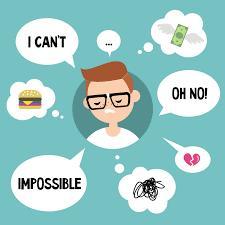
It’s helpful to know that certified mental health counselors are able to provide guidance and support. Recently, I’ve felt like I’m alone, and all the things I used to enjoy have become boring to me. That’s why I think I’d use some professional help to talk about what’s happening to me, so I’ll follow your advice right away.
It’s good to know that we’d seek referrals and recommendations from trusted sources before choosing a mental health therapist. My sister’s looking for a therapist to help treat her depression, so next week, she’d like to speak to a few therapists before choosing one. That’s why I’m positive that she’d benefit from reading your post about mental health therapists.